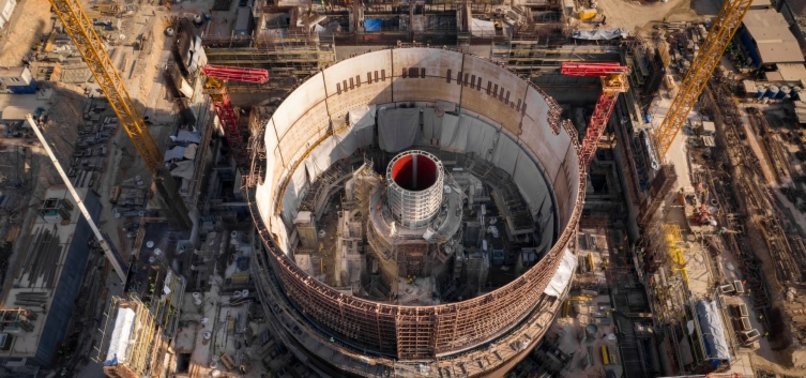
One of Türkiye's most important goals in the near future is to be able to produce small modular reactors, also known as SMRs. Experts believe that if successful, this will mark one of the most significant turning points in the history of the Republic, with some Turkish defense industry firms potentially playing a key role.
The technology of Small Modular Reactors, or SMRs, is one of the most crucial topics in the global energy sector. Considered smaller, more flexible, cleaner, and safer than traditional nuclear reactors, SMRs are a technology Türkiye is now actively pursuing.
The most important signal for this came from President Erdoğan in March 2025. Announcing the establishment of a nuclear technopark that would enable a major leap forward in nuclear energy, Erdoğan stated, "We will develop domestic modular nuclear reactors."
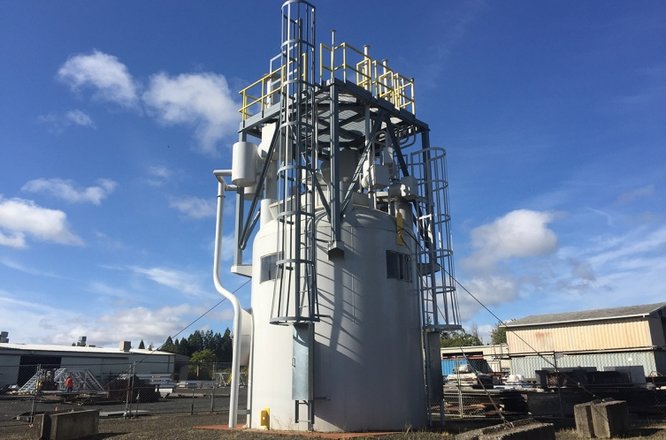
According to Boğaziçi University lecturer Prof. Dr. Gürkan Kumbaroğlu, Türkiye's steps regarding SMRs are extremely critical. To explain why this move is so important, Kumbaroğlu first shares some general details about SMRs. He notes that these reactors can have an installed capacity of up to 300 megawatts, which is about one-third the capacity of a traditional nuclear reactor.
Kumbaroğlu explains that SMRs can be designed according to the needs of a specific project. "It's a system you can build quickly in smaller areas with lower costs. Because they are modular, you can integrate additional reactors to increase capacity if needed. The reactor core, cooling systems, and other components are also much easier to produce, transport, and finally assemble than traditional nuclear facilities. All of this naturally leads to a significant reduction in cost," he says.
Kumbaroğlu recalls Energy and Natural Resources Minister Alparslan Bayraktar's statement that "Our country's electricity demand will triple in the next 30 years. Türkiye has a target of bringing 7 GW of nuclear energy online by 2035. If we can also add small modular reactors, this will increase to 20 GW by 2050."
Citing open sources, he shares that 51 SMR designs have entered the pre-licensing and licensing process in 15 countries and continues:
"International agencies recently wrote that Türkiye could move forward with American companies for small modular reactors. That's entirely possible. Of course, there's also the Turkish side of the equation. We often see public-private partnerships in very important technological developments in our country. In recent years, Turkish defense industry firms have also been added to this equation. Naturally, I believe that domestic and national defense industry companies can play significant roles in Türkiye's SMR journey.
If we can successfully navigate the SMR business, we can say that Türkiye has successfully achieved its nuclear renaissance."


