The incubation period for monkeypox, which is the time from exposure to the onset of symptoms, is typically 6-14 days but can range from 1 to 21 days. Individuals with a history of animal bites or scratches may have a shorter incubation period (9 days) compared to those exposed through contact (13 days).

SYMPTOMS:
Clinical Course: The clinical picture begins with fever, severe headache, lymphadenopathy (swelling of the lymph nodes), back pain, myalgia (muscle pain), and pronounced fatigue. These symptoms are most prominent during the first 5 days.
Since lymphadenopathy is not as prominent in chickenpox, measles, and smallpox, it can be considered a supporting finding for the diagnosis of monkeypox.
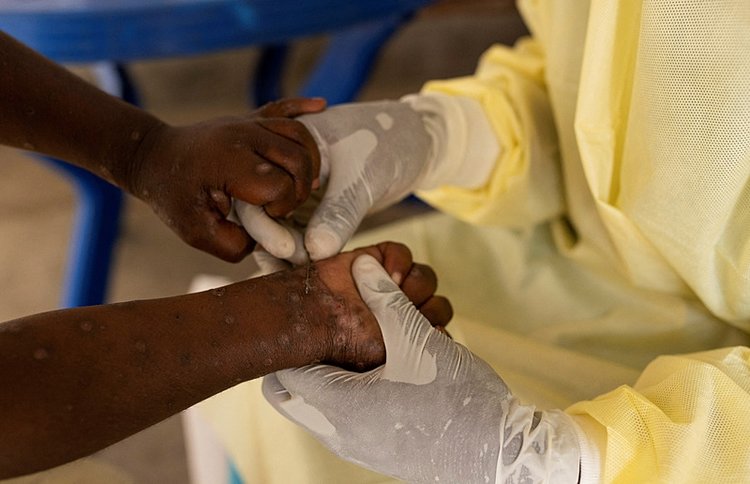
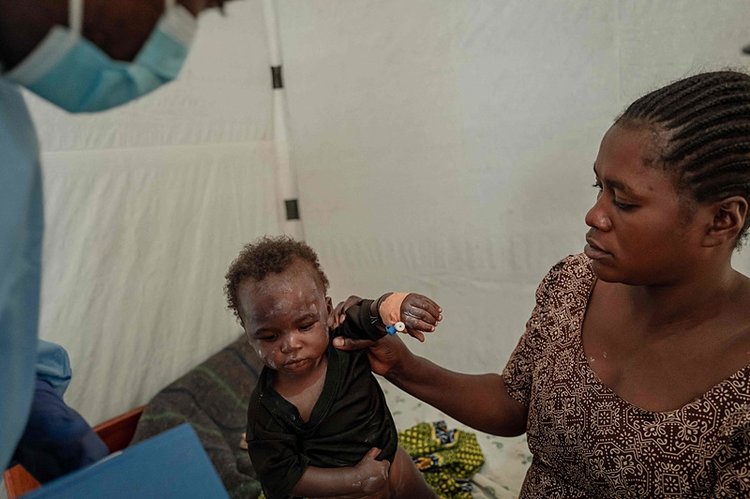
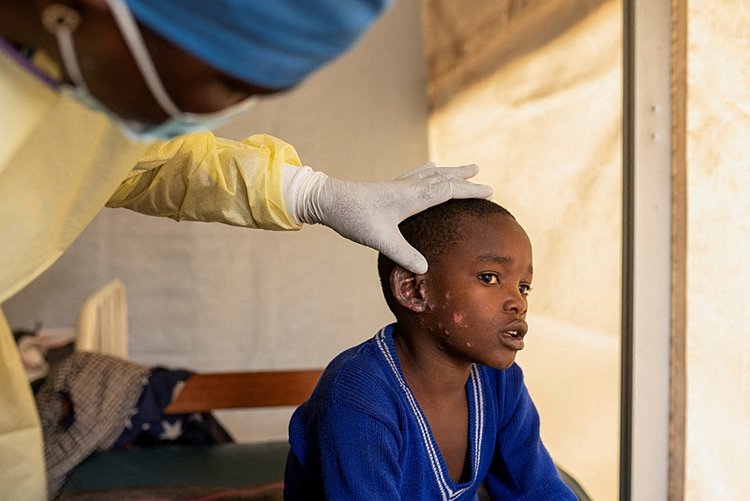
The skin rash typically begins 1-3 days after the onset of fever. The rash tends to be more concentrated on the face and extremities rather than the trunk. It affects the face (in 95% of cases), palms, and soles (in 75% of cases). Additionally, it can involve the oral mucosa (in 70% of cases), genital area (30%), conjunctiva (20%), and cornea.

The rash evolves from macules (flat lesions) to papules (slightly raised, firm lesions), vesicles (lesions filled with clear fluid), pustules (lesions filled with yellowish fluid), and finally to crusted scabs. The number of lesions can range from a few to several thousand. In severe cases, the lesions may merge, leading to the peeling of large areas of skin.
Monkeypox is typically a self-limiting disease with symptoms lasting 2-4 weeks. Severe cases are more common in childhood. The severity of the clinical presentation can be influenced by the high viral load in contact and any underlying health conditions of the individual.

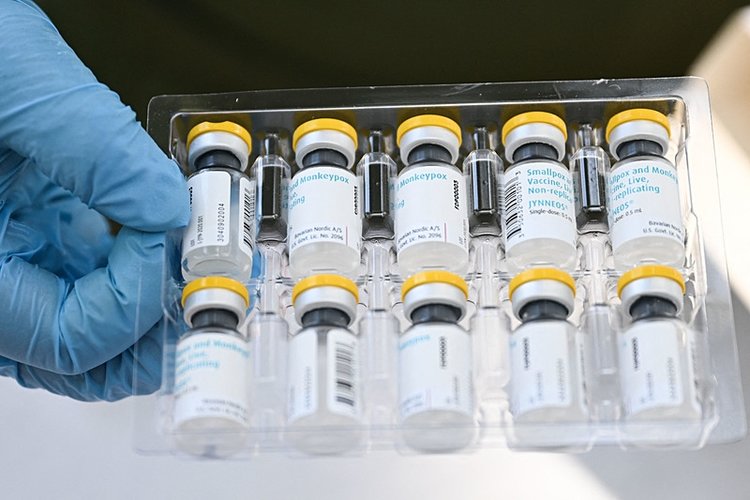
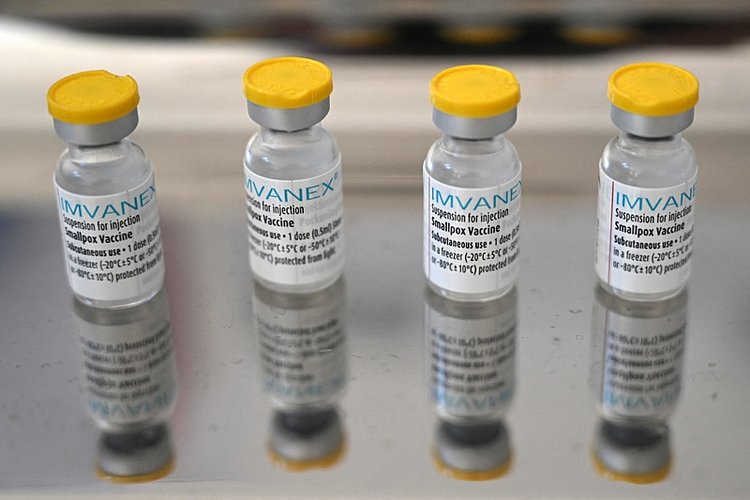
The smallpox vaccines administered before the eradication of smallpox also provide protection against monkeypox.

In Türkiye, smallpox vaccination was routinely administered until 1980.
Individuals born before 1980, if they received the smallpox vaccine, have a certain level of protection against monkeypox.
Complications of monkeypox can include secondary infections, bronchopneumonia, sepsis, encephalitis, and corneal infections that may lead to vision loss.