Speaking to The Washington Post, Shari Lipner, an associate professor of clinical dermatology at Weill Cornell Medicine, said that not all organisms on our skin are harmful.
Similarly, Kimberly Davis, an associate professor of molecular microbiology and immunology at the Johns Hopkins Bloomberg School of Public Health, stated: "There are bacteria all over our bodies, so it's normal for there to be bacteria in beards as well."
Microorganisms typically don't pose a problem unless they are pathogenic and enter the body through cuts, wounds, or other breaks in the skin. Davis noted, "Our bodies have an extraordinary ability to control and eliminate microbes."
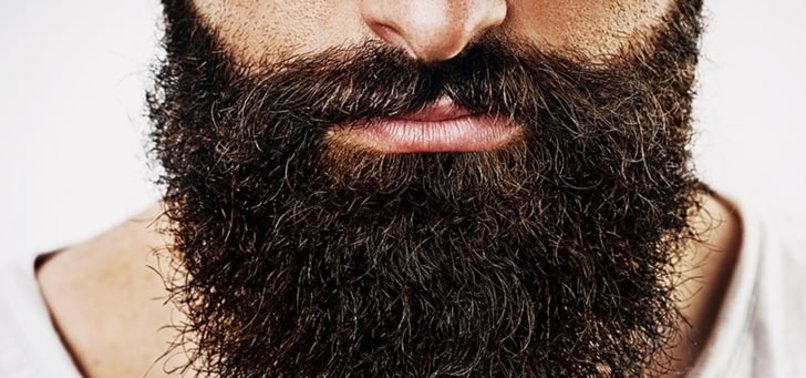
A study conducted on more than 400 male healthcare workers revealed that men with beards carried more bacteria than their clean-shaven colleagues.
However, some pathogenic bacteria that can cause skin and other infections were more common among clean-shaven men. Researchers theorized that the microtrauma caused by shaving may make clean-shaven men more susceptible to harboring these organisms.
William Schaffner, a professor of infectious diseases and preventive medicine at Vanderbilt University, commented, "I wouldn't expect a bearded or mustachioed man to pose any infection risk to anyone, including their partners."


