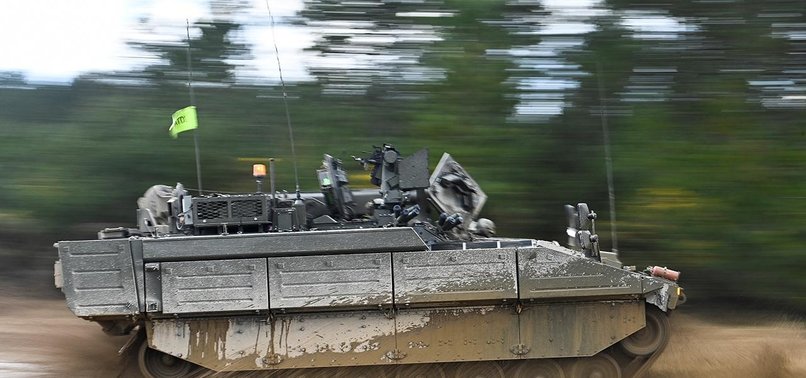
The UK Ministry of Defence initiated an investigation citing "extreme caution." This incident represents the latest setback in the £6.3 billion Ajax program. Earlier this month, after the vehicle achieved its initial operational capability, Defence Minister Luke Pollard described it as having "overcome its issues."
A spokesperson for the Ministry of Defence reported that "a small number of soldiers reported symptoms related to noise and vibration" during the weekend's exercise. It was stated that the exercise was immediately halted, and health screenings were conducted for all soldiers involved. Around 30 personnel reported symptoms related to these conditions, the majority of whom have returned to duty, although "a small number continue to receive specialist treatment."
The spokesperson noted that, following Minister Pollard's instructions, the use of Ajax in all training and exercise activities has been halted for two weeks. Technical testing on the vehicles will continue on a limited basis to identify potential issues.
The Ajax project had been postponed for years after it was determined that noise and vibration were causing hearing and health issues among soldiers.
The vehicles were initially scheduled to enter service in 2017, but only this month did they achieve initial operational capacity. To date, more than 160 of the planned 589 vehicles have been produced.
Before the two-week suspension was announced, it was estimated that the program could take another four years to reach full operational capacity. The Ajax vehicles are intended to replace the CVR(T) vehicles, which have been in service since 1971.
In his speech on November 5th, Defence Minister Pollard stated, "Ajax has overcome significant challenges and has proven itself in the field. It is the most advanced medium-weight armored combat vehicle in the world."


