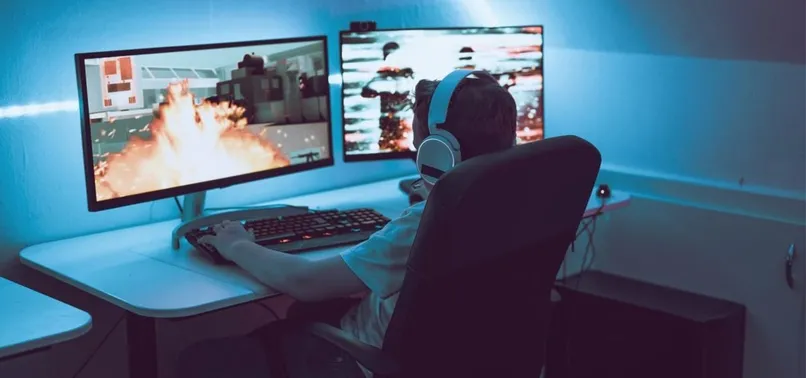
Assoc. Prof. Şeniz Özhan, Director of the Women and Family Studies Application and Research Center at Tekirdağ Namık Kemal University, stated that children exposed to violent digital games and programs may perceive violence as a normal form of communication. She noted that long hours spent on smartphones, social media, and online platforms weaken family communication.
Özhan emphasized the importance of monitoring children's digital content: "It is extremely important to track which games children play, which digital platforms they use, and what they watch. Without precautions, children can be exposed to violent games and programs."
She highlighted that primary school-aged children do not yet have the awareness or maturity to question violence. Children who witness or experience violence may perceive it as ordinary behavior.
This perception can also affect their social relationships. Özhan explained, "If violence occurs in the home, a child may see it as a normal way of communicating. A child with weakened empathy may exhibit the same behavior toward peers at school."
Özhan urged families to create designated screen-free periods for children.
"This kind of practice acts as a digital detox. Establishing family rules for certain periods away from digital screens strengthens family communication and helps children feel valued by their parents," she said.
She suggested families spend screen-free time especially after dinner, using it to play games with children, have conversations, or discuss a topic of the day together.
Özhan also stressed the importance of setting age-appropriate screen limits and recommended establishing school units to prevent violence.
She added that schools should monitor not only academic success but also children's psychosocial development:
"Children exposed to violent digital games and programs may perceive violence as a normal form of communication. Especially primary school-aged children are not mature enough to question what they see or play. Violence-prevention units in schools should include teachers, psychologists, psychiatrists, and social workers. Children should be taught anger management. A child who exhibits violent behavior is also a victim. Therefore, a supportive rather than labeling approach should be adopted, with families actively involved in the process."


