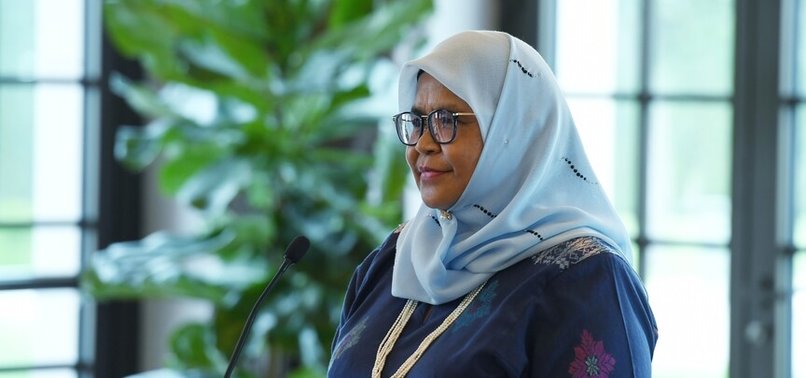
Zero waste should not be viewed solely as an environmental goal or municipal service, but as a practical climate action model that can make cities more efficient, resilient and sustainable, a Malaysian urban policy adviser said Saturday.
Maimunah Mohd Sharif, adviser to the Malaysian government on sustainable urbanization, made the remarks in a keynote speech titled "From Global Agendas to Local Results: Delivering Zero Waste as Climate Action" at the Zero Waste Forum in Istanbul.
Sharif said global climate frameworks and financing commitments have generated momentum, but their success ultimately depends on whether they are translated into tangible local systems.
Referring to the operationalization of climate funding arrangements, including the loss and damage fund agreed at COP28 in Dubai, she said the key question is whether such financing reaches the people and communities most in need.
"These figures are important for one simple reason. This shows that the world is moving in the right direction in terms of policy, in terms of commitment," she said.
But implementation remains critical, she added, "where infrastructure is built, where services are improved, and systems are delivered to the most needed and the most vulnerable people."
Sharif said global agreements, partnerships, and financing can only succeed when they produce visible local outcomes, particularly in cities, since zero waste is not simply about managing rubbish, but about how cities plan infrastructure, deliver services, coordinate institutions, engage communities and shape daily habits.


