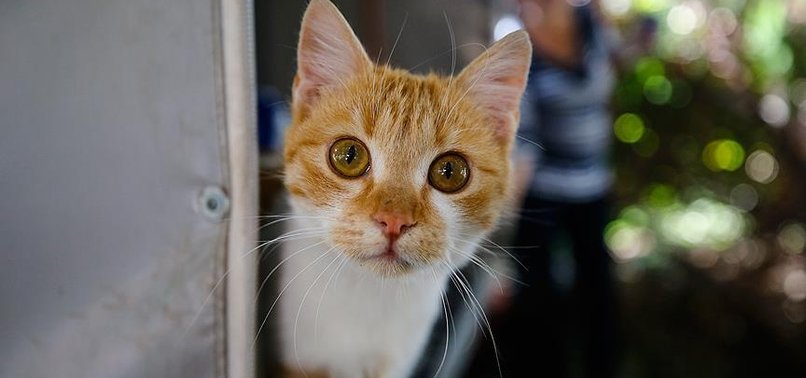
The decision announced by Conservation Minister Tama Potaka marks the first time a new species has been added to the country's "Predator Free 2050" strategy, which has been in place since 2016.
Minister Potaka described feral cats as "cold-blooded killers," saying they would now be targeted alongside species such as stoats, ferrets, rats and possums. While feral cats have previously been controlled and culled in certain regions, they will now be subject to coordinated, large-scale eradication programs. A detailed implementation plan is expected to be released in March 2026.
It is estimated that more than 2.5 million feral cats live in the country's native forests and on its islands.
Reaching up to one meter in length including their tails and weighing as much as seven kilograms, these cats have caused extensive damage to native species. They have driven the Pukunui, or southern dotterel, on Rakiura Stewart Island to the brink of extinction and are also reported to have killed bats around Mount Ruapehu.
Speaking to Radio New Zealand, Potaka said, "If we want to boost biodiversity and protect our natural heritage, we have to eliminate these predators."
The inclusion of feral cats in the strategy follows a long campaign. Environmentalist Gareth Morgan's 2013 "Cats to Go" initiative drew widespread criticism, while a children's feral-cat-shooting contest prompted strong condemnation from animal-rights advocates. However, the Department of Conservation says 90 percent of feedback on its latest draft strategy supported increased feral-cat control.
Pet cats are not part of the eradication plan, though officials stress they also pose a serious threat to biodiversity. New Zealand has one of the highest rates of cat ownership in the world, and regulations governing pet cats remain inconsistent.
SPCA Science Advisor Christine Sumner acknowledged the ecological harm caused by feral cats but noted that killing remains the primary method of control. "We're not happy about that. It's the biggest challenge," she said. Organizations are calling for more research and funding for humane alternatives.
The National Cat Management Group—which includes animal-rights groups and the Predator Free Trust—advocates keeping pet cats indoors under the slogan "Every cat in a lap." They are also calling for nationwide mandatory desexing and microchipping.
Gareth Morgan said, "Failing to include feral cats from the beginning was a major oversight. Now we need policy changes to achieve real results."


