El Nino and warming in the tropical Atlantic could provide warnings of extreme heat across parts of the Amazon as much as seven months in advance, according to new research.
The study, published in the journal Earth's Future, examined how major patterns of natural climate variability influence temperature and rainfall extremes across the Amazon Basin.
Researchers found that extreme heat was more likely after unusually warm conditions associated with El Nino in the tropical Pacific and warming in parts of the tropical Atlantic, according to the Australian climate research center ARC Centre, which published the findings Tuesday.
The clearest long-range signal emerged for March—May, when extreme Amazon heat was associated with ocean conditions observed up to seven months earlier.
"It is quite surprising that heat extremes are linked to conditions in the Pacific and tropical Atlantic Oceans observed up to seven months in advance," said UNSW Associate Professor Andrea Taschetto, a study co-author.
Researchers analyzed monthly climate data from 1950 to 2023 across six Amazon regions and also used machine learning to examine compound hot-dry events.
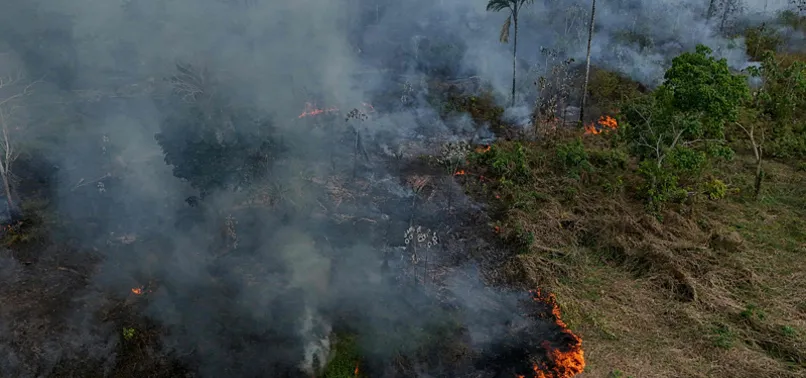
Those events can increase wildfire risks, damage ecosystems and threaten human health, food security and water supplies.
The researchers cautioned that the seven-month relationship applies to extreme heat, not reliable seven-month forecasts of combined heat and drought.
Predictability of compound events varied considerably by season and region, with useful signals generally limited to shorter periods.


