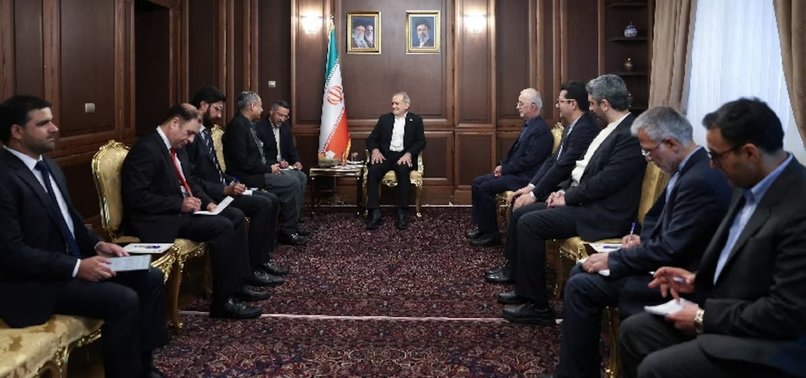
In an effort to avoid more conflict, the US and Iran exchanged several proposals and counterproposals last week, the Washington Post reported Monday, citing officials.
The report said that US President Donald Trump was unhappy with Iran's earlier proposal regarding restrictions on nuclear enrichment and was seeking a deal with broader limitations.
In previous rounds of negotiations, the US proposed prohibiting Iran from enriching uranium for 25 years. The report said Iran has rejected that proposal, adding that a later US offer called for a 20-year ban on enrichment, which Iran also declined.
During more recent discussions, the US indicated it might consider easing sanctions on Iranian oil exports if Tehran agreed to stop supporting proxy groups in the region, according to the report.
The report also said that recent proposals suggest Iran may be open to transferring part of its enriched uranium stockpile abroad. However, it stated that neither matter had been finalized and both would likely depend on other aspects of a broader agreement.
Trump said Monday that he decided to delay the resumption of attacks on Iran because several regional nations informed him that they believe a deal to fully end the war is close to being sealed.
He said he was asked by the leaders of Saudi Arabia, Qatar, the United Arab Emirates and unspecified "others" to delay strikes "because they think that they are getting very close to making a deal."
Axios reported that Trump spoke on the phone with the leaders of Saudi Arabia, Qatar and the United Arab Emirates in the 24 hours before his announcement, adding that the Arab leaders told Trump that they do not want their oil and energy facilities damaged due to Iranian retaliation.
Regional tensions have escalated since the US and Israel launched strikes on Iran on Feb. 28, prompting retaliatory attacks by Tehran and disruptions in the Strait of Hormuz.
A ceasefire took effect on April 8 through Pakistani mediation, but talks in Islamabad failed to secure a lasting agreement. The truce was later extended by Trump without a specified deadline.
Since April 13, the US has enforced a naval blockade targeting Iranian maritime traffic in the strategic waterway.


