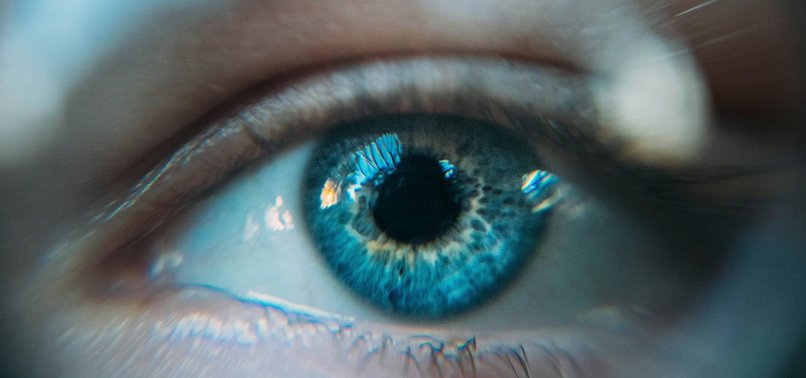
A pigment called melanin does almost all the work. Brown eyes contain high amounts of melanin that absorb light, creating their dark appearance. Blue eyes have very little melanin, so their color comes not from pigment but from a physical effect within the iris called the Tyndall effect—the same phenomenon that makes the sky appear blue.
In blue eyes, shorter-wavelength light (like blue) scatters more effectively than longer-wavelength light (like red or yellow). Because melanin concentration is low, less light is absorbed, allowing the scattered blue light to dominate. This blue tone arises from the way light interacts with the eye's structure, not from pigment.
Green eyes result from a balance between a moderate amount of melanin and light scattering. Hazel eyes are more complex: irregular melanin distribution in the iris creates a mosaic of colors that can change depending on ambient light.
Eye color genetics are equally fascinating. For a long time, scientists believed in a simple "brown beats blue" model controlled by a single gene. Research now shows the reality is far more complex: multiple genes contribute to eye color. This explains why children in the same family can have dramatically different eye colors and why two blue-eyed parents can sometimes have a green- or even light-brown-eyed child.
Eye color can also change over time. Many European-origin babies are born with blue or gray eyes because their melanin levels are still low. As pigment gradually accumulates in the first few years of life, these blue eyes may turn green or brown.
In adulthood, eye color tends to stabilize, though small variations in appearance due to light, clothing, or pupil size are common.


